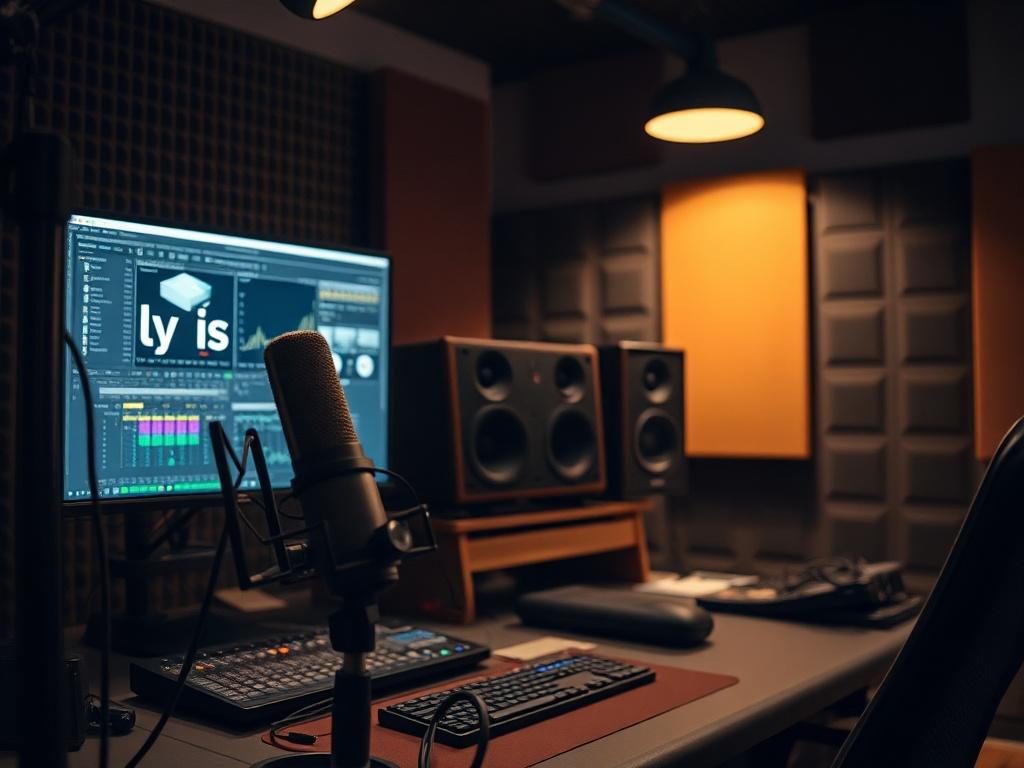
In the world of filmmaking, soundscapes play a crucial role in shaping the audience's emotional experience and enhancing storytelling. As filmmakers strive to create truly immersive environments, they recognize that the auditory atmosphere can be just as impactful as the visual elements on screen. By delving into the nuances of sound design, filmmakers have the power to evoke feelings, build tension, and transport viewers into the narrative, prompting them to engage more deeply with the story being told.
In this blog post, we invite you to explore the art of soundscapes in filmmaking. Together, we will uncover the essentials of sound design, examine the techniques that bring captivating soundscapes to life, and discover how immersive audio can transform an audience's experience. Whether you are a budding filmmaker or an avid movie enthusiast, understanding the intricacies of soundscapes will enrich your appreciation of the craft and its profound impact on storytelling.
Understanding the essentials of sound design in film
Sound design serves as the backbone of filmmaking, significantly influencing how audiences perceive and engage with a story. The fusion of dialogue, sound effects, and musical composition creates a rich auditory landscape that enhances the visual elements on screen. Filmmakers must grasp the importance of each sound element and how it contributes to the narrative. Effective sound design immerses viewers, guiding their emotions and reactions, and ultimately strengthens the overall impact of the film.
At its core, sound design involves a meticulous process of editing and layering different audio components to create a cohesive soundscape. From choosing the right ambient sounds that reflect the setting to crafting subtle audio cues that heighten tension, every detail matters. Filmmakers often collaborate with skilled sound designers who understand the nuances of audio storytelling. Together, they explore the art of soundscapes in filmmaking, transforming the cinematic experience and inviting audiences into a world where sound is as vital as the visuals.
Exploring the techniques behind captivating soundscapes
Creating captivating soundscapes in film demands a mastery of various techniques that elevate the viewer’s experience. Filmmakers often employ techniques such as ambient sound layering, foley artistry, and the strategic use of silence. Ambient sound layering involves building a rich tapestry of background noises that reflect the environment and set the scene. For instance, the rustling of leaves, distant traffic, or the hum of a bustling café can all contribute to a film's authenticity and mood. By skillfully blending these sounds, filmmakers transport audiences into the film’s world, making them feel as if they are part of the narrative.
Moreover, foley artistry adds a unique touch by recreating sounds that enhance the realism of the visual elements. Whether it's the crunch of footsteps on gravel or the subtle clinking of glass, these sounds breathe life into otherwise silent actions. Silence itself plays a crucial role in sound design, as it can amplify tension or evoke deep emotional responses. By strategically placing silence alongside other audio elements, filmmakers can guide the audience's emotions and enhance dramatic moments. Ultimately, mastering these techniques allows filmmakers to explore the art of soundscapes in filmmaking, crafting immersive and unforgettable experiences.
Transforming audience experience with immersive audio storytelling
In the world of filmmaking, soundscapes play a vital role in immersing the audience into the story. Filmmakers use a combination of dialogue, sound effects, and ambient sounds to create a rich auditory environment that enhances emotional connection and deepens the narrative. By carefully layering sounds, creators can evoke specific feelings and set the tone for scenes, guiding the audience's emotional journey. For example, the rustling of leaves, distant thunder, or a whispering wind can transport viewers to a bustling forest or a desolate landscape, making the experience feel visceral and real.
Moreover, the art of soundscapes allows filmmakers to manipulate how audiences perceive the story. When utilized effectively, sound can heighten tension, evoke nostalgia, or even provoke fear. A sudden silence before a shocking moment can amplify suspense, while a cheerful musical score can elevate a sense of joy or optimism. By strategically incorporating sound elements, filmmakers can create a profound impact, ensuring that audiences not only watch, but also feel and experience the story on a deeper level. This immersive audio storytelling transforms passive viewers into active participants, fully engaging their senses and making the film truly unforgettable.